Over the weekend, I watched a very interesting new segment from DW about the phenomenon that conversations between people are vanishing and that people are talking less & less, which makes scientists concerned.
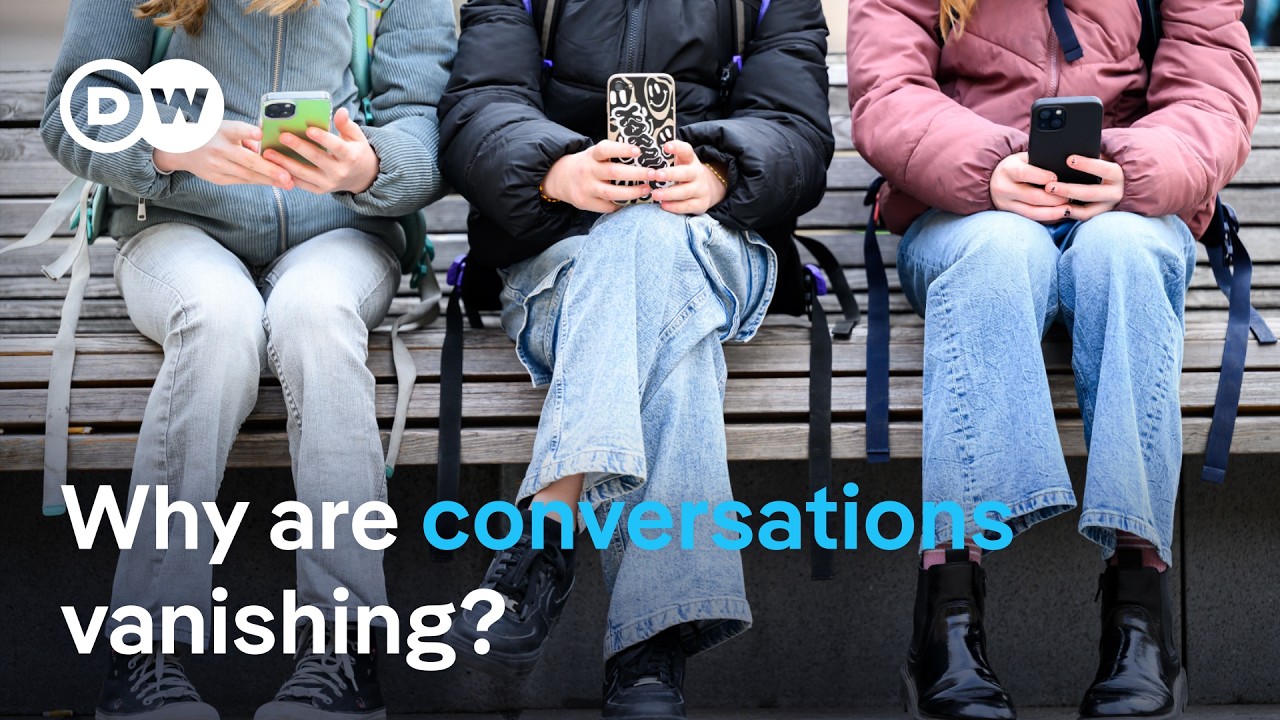
Back in April 2023 I wrote an article about the lost art of conversation because, I was seeing this all around me. I could see that screens were replacing spoken interaction, that conversation requires practice, and that it is fundamentally about listening, understanding, and connecting with another person.
When I watched this video, I distinctly remembered a scene from my local White Hen Pantry over 20 years ago. I was getting lunch, (White Hen Pantry was famous for their custom-made deli sandwiches built on fresh bread with sliced-to-order meats and cheeses- which meant it took time to get it), and while I was waiting for my sandwich to be made, a man walked in with a 5 or 6 year old boy. The father mentioned to the boy to say hello and greet the propitiator. I distinctly remember him using the word, “proprietor,” and it struck me as odd. But then, as I watched the interaction closely, I realized what this father was actually teaching his son.
It was a super brief interaction, but such an awesome lesson for the little boy:
- The child had to acknowledge another person.
- He learned that this person had a particular role within the community.
- He watched his father model courtesy and social confidence.
- He practiced speaking to an adult outside his family.
- He learned how to behave during an ordinary public interaction.
- The waiting time created space for that lesson to happen.
Looking back, this was HUUUUUGE. Today, the sandwich will probably be ordered through an app, paid for without cash, and collected from a shelf, eliminating any type of conversation, outside of maybe a “thank you” when you’re picking up your order. That is unquestionably convenient, but the child might never meet the proprietor, observe the work involved, or practice addressing someone unfamiliar. No to mention that this boy was being taught how to address a business owner.
I guess, what I’m trying to say is that everyday conversation aren’t just a way to exchange information, but rather they are essential to social infrastructure. And the less we talk, the less social we really are.